The AI Staffer: Does Congress Need Fewer People?
AI is already doing congressional work. The bigger question is whether one AI-powered staffer can do the work of three—or ten.
Read more →
Updates and insights.
AI is already doing congressional work. The bigger question is whether one AI-powered staffer can do the work of three—or ten.
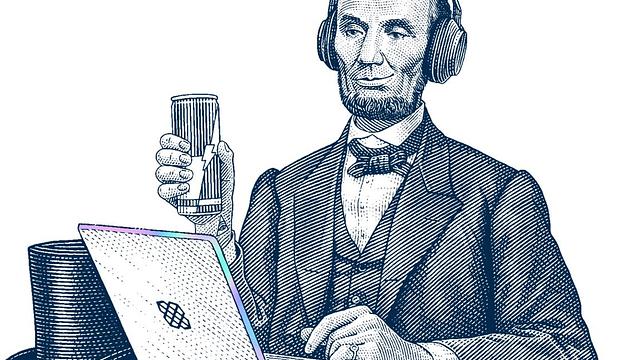
AI is transforming political and public affairs hiring, creating a new challenge for employers trying to distinguish real talent from AI-assisted performance. Candidates can now use tools like ChatGPT to craft polished interview answers and writing samples, making traditional hiring methods less effective. In industries where judgment, speed, and the ability to think under pressure matter most, campaigns and PR firms must rethink their approach—replacing take-home tests with live exercises, deeper interviews, and more meaningful assessments of real-world experience. The future of hiring will not be about avoiding AI, but about finding candidates who know how to use it while still bringing the human instincts that technology cannot replace.

Polly is a talent marketplace built for the political public affairs industry
You wouldn't run a political campaign without a strategy, a ground game, and a message. So why are you running your job search like an amateur? If you want to break into Washington's public affairs world — lobbying, advocacy, government relations, communications — treat it like what it is: a campaign. And you're the candidate.
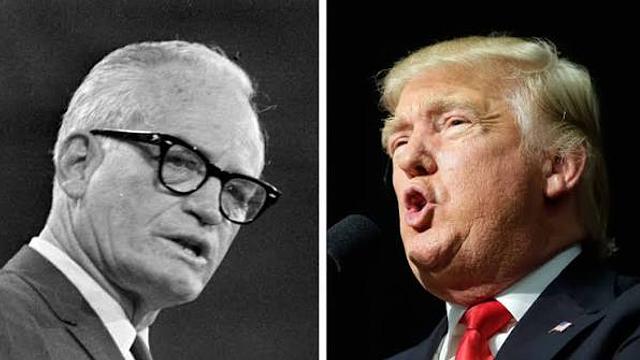
This article explores how both the Republican and Democratic parties are increasingly rewarding ideological purity over political moderation, tracing the roots of this trend from Barry Goldwater's famous 1964 convention speech to the populist politics of the Trump era. It examines why voters appear more willing to overlook candidates' personal flaws in pursuit of larger political goals, considers whether America's growing polarization creates an opening for a viable third party, and looks ahead to what these forces could mean for the 2026 midterms and the race for the White House in 2028.

Not long ago, “digital” on a political campaign often meant one person juggling email blasts, Facebook posts, and late-night graphics from a laptop in the corner of headquarters.

As we charge into the heart of the 2026 midterms and look toward the 2027 cycle, the “war for talent” in politics has evolved far beyond the traditional hunt for Ivy League organizers and digital whiz kids.
Here are some schools and resources for public affairs, public policy, government relations, international affairs, and political science programs around the country
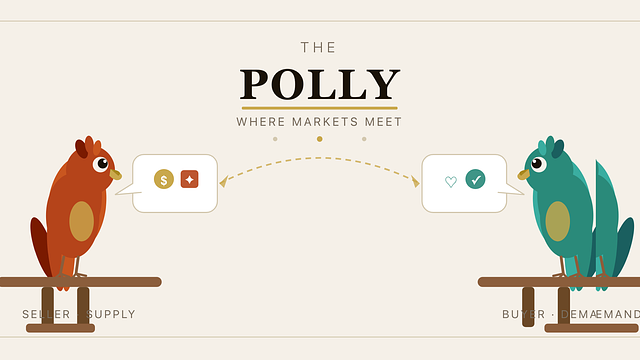
When a platform connects buyers and sellers so seamlessly that neither can imagine life without it — that's not just good product design. That's network power at work. Something remarkable happened when Airbnb launched in 2008. It didn't sell hotel rooms. It didn't own properties. It simply built a bridge between people with spare rooms and travellers looking for somewhere to stay — and collected a toll on every crossing. That model, deceptively simple on the surface, has become one of the defining business structures of our era. Welcome to the age of the two-sided marketplace.

Here are some solid and helpful resources we recommend